
Relocation to Poland
Live well in Poland. We handle the rest.
Old towns and café terraces, lakes, the Baltic and real mountains, in one of the safest countries in Europe and one of its fastest-growing economies. Tell us how you want to live and we take care of the move.
For remote workers, families and founders from the US, EU, UK, Canada, Australia and beyond.
- The safest big country in the EU*
- A $1 trillion economy that keeps growing
- Visa, paperwork, bank and home handled for you
30 minutes. No obligation. Tell us where you are now and when you want to move.
- Your options, explained Week 1
- Documents ready Weeks 2–4
- Application filed Month 2
- Settling into your city Then
- Weekends on the lakes Summer
Illustrative timeline
- $1T+ Economy, now one of the 20 largest in the world
- 3.8% GDP growth in 2025, one of the fastest in the EU (GUS)
- 2.8% Of people report crime where they live. EU average: 10% (Eurostat, 2023)
- 19% Flat income tax option for business owners
- 23 National parks, from the Baltic dunes to the Tatras
- EU Member since 2004, in Schengen and NATO
Why Poland
More than most people expect.
Poland is where Europe is growing right now. A strong economy, beautiful places to live and a calm, safe everyday life.
-
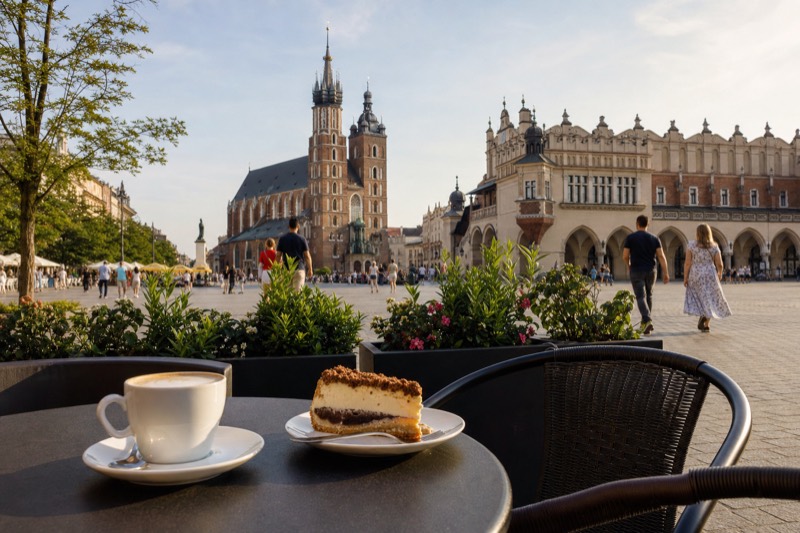 Cities
Beautiful cities
Kraków, Gdańsk, Wrocław and Warsaw: historic old towns, café culture, international schools and a big English-speaking community.
Kraków was on UNESCO’s very first World Heritage list
-
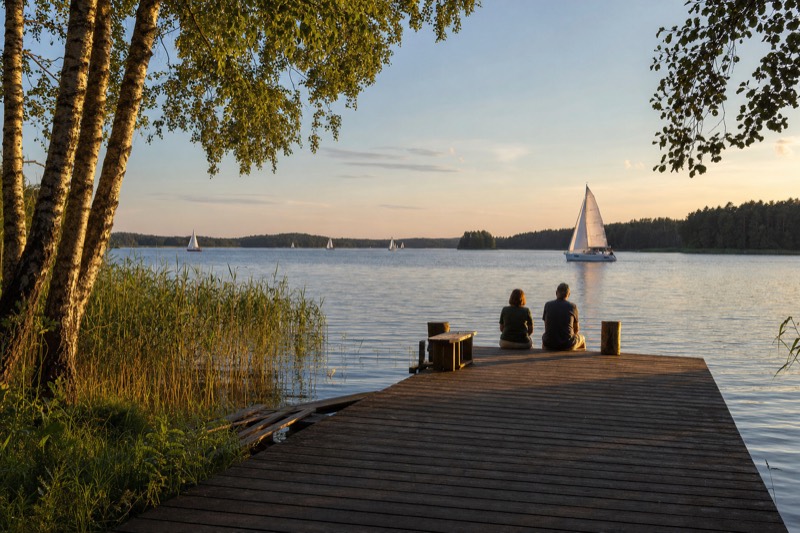 Nature
Lakes, sea and mountains
Sail in Masuria, walk the Baltic beaches, ski or hike in the Tatras. Most of it a train ride or a weekend drive away.
23 national parks
-
 Tax
Tax friendly
Business owners can choose a 19% flat tax on income, many IT freelancers pay a 12% lump sum on revenue, and small companies can pay 9% corporate tax. Social and health contributions come on top.
Set up with an English-speaking accountant
-
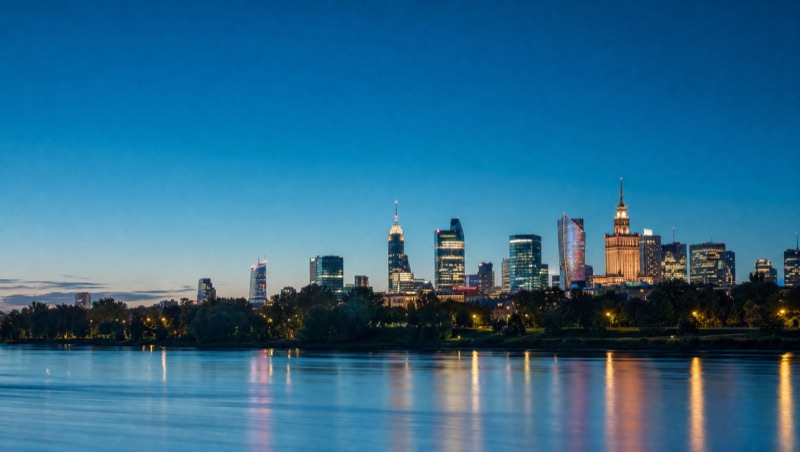 Economy
A booming economy
Poland passed $1 trillion in GDP in 2025 and grew 3.8% that year. Jobs, clients and investment keep arriving.
One of the world’s 20 largest economies
Economic data: World Bank and Statistics Poland (GUS), 2026. Tax depends on your situation and the rules change, so we confirm your case with an accountant.
Where you could live
Sea, lakes, mountains and great cities.
Poland is bigger and more varied than most people expect. Weekends here look like this.
-
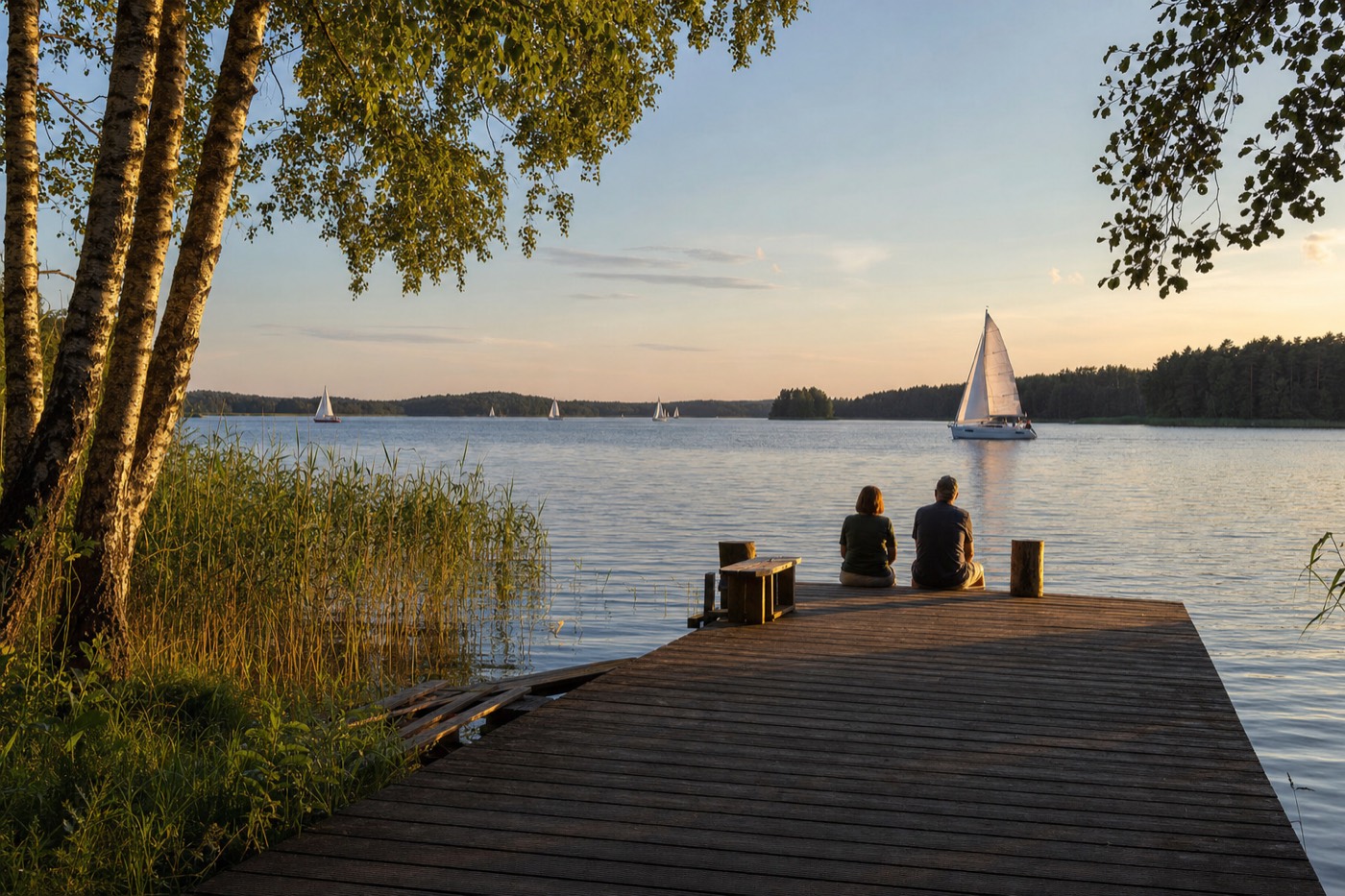 Masuria
The Land of a Thousand Lakes
Sailing, kayaking and long summer evenings on the jetty, a few hours’ drive from Warsaw.
-
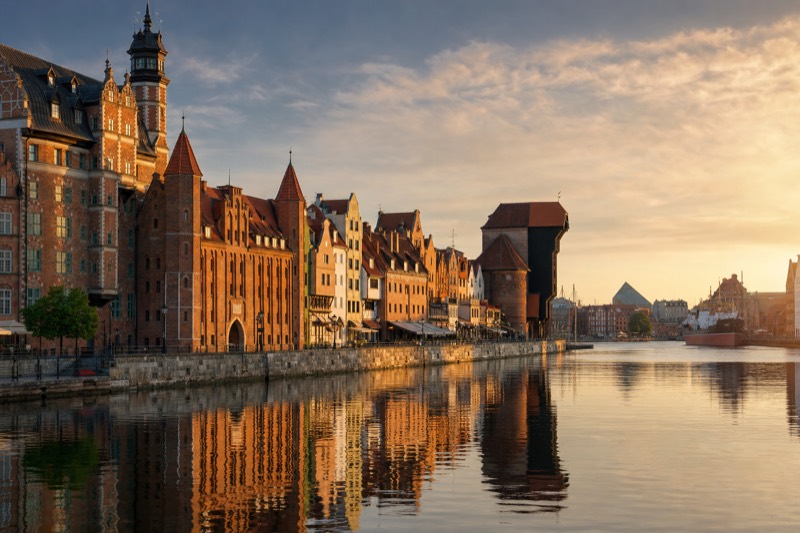 Baltic coast
Gdańsk
A historic port city on the Motława with the beaches of Sopot next door.
-
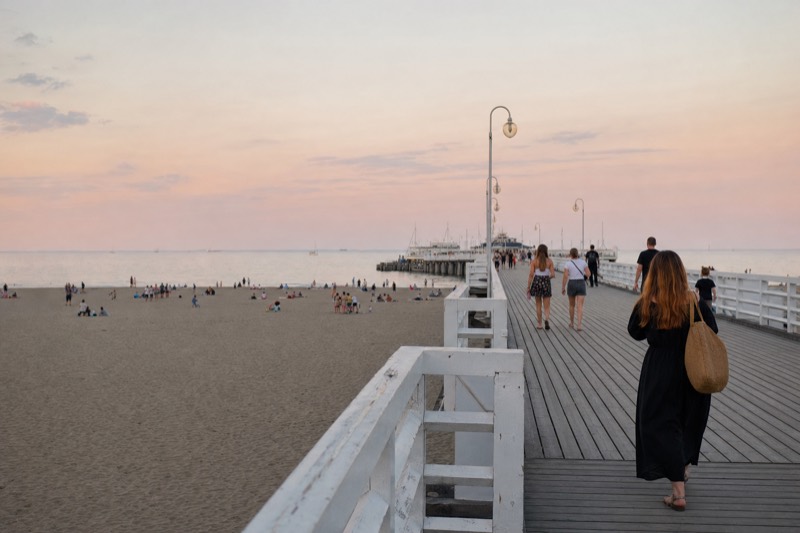 Baltic coast
Sopot
A wooden pier, wide sandy beaches and the sea at the end of the street.
- Lesser Poland
Kraków
A medieval old town, a big international community and cafés on the Main Square.
-
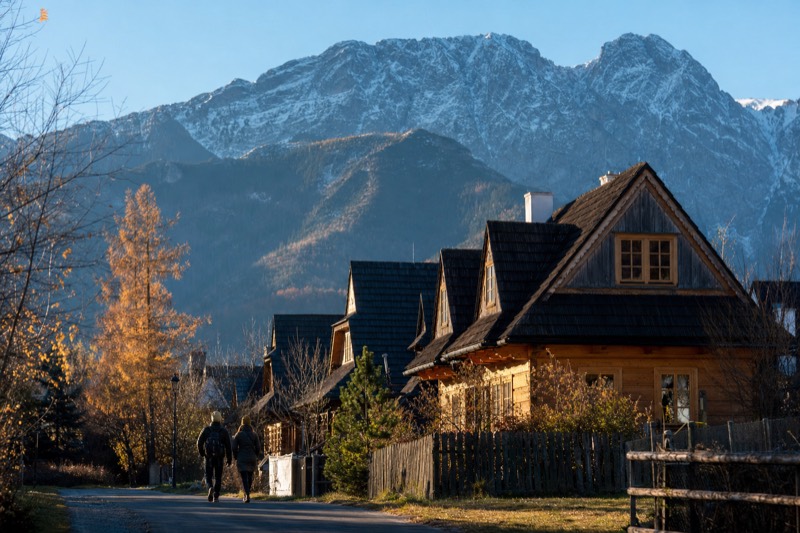 Tatra foothills
Zakopane
Highlander wooden houses under Giewont, skiing in winter and hiking all summer.
-
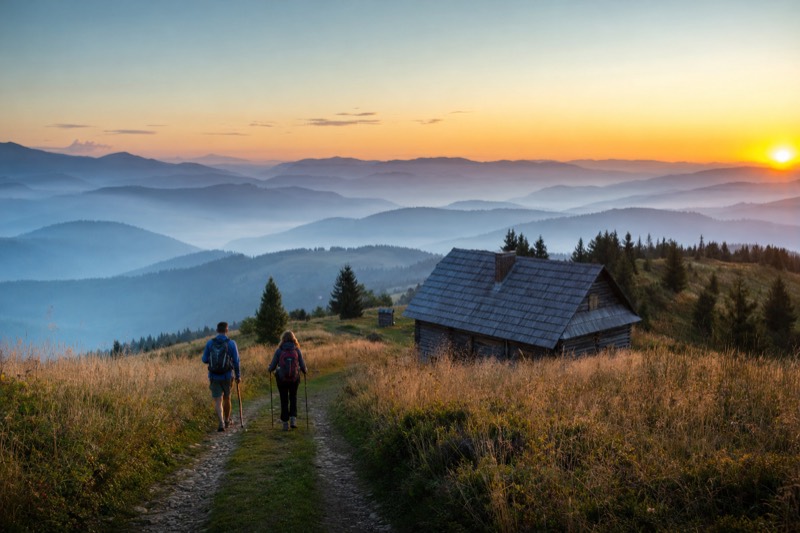 Southern Poland
The Beskidy
Misty ridges, mountain huts and trails a short drive from Kraków and Katowice.
-
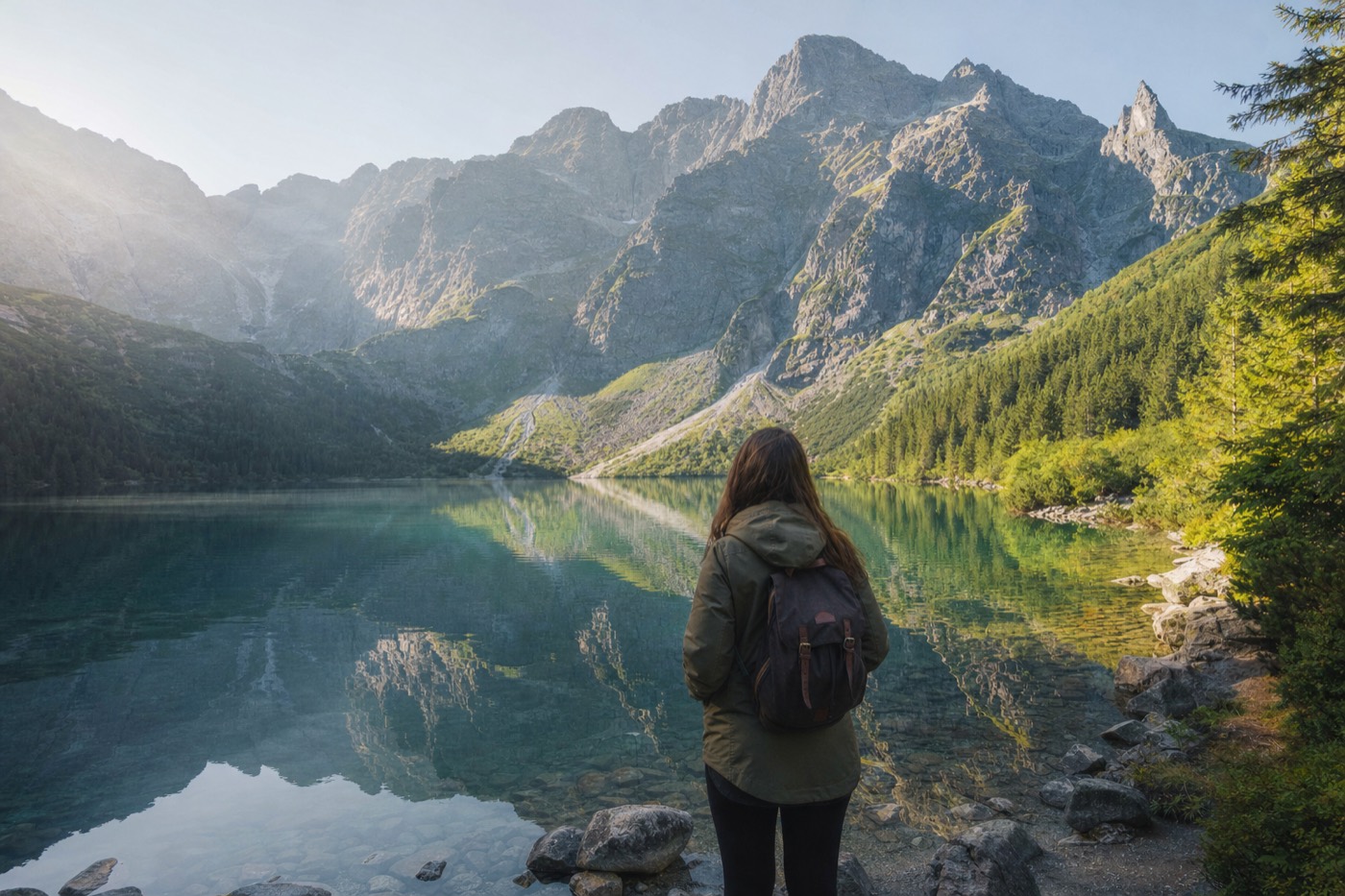 Tatra National Park
The Tatras
Alpine peaks and mountain lakes like Morskie Oko, Poland’s highest range.
- Capital
Warsaw
Finance, tech, international schools and a skyline that keeps growing.
-
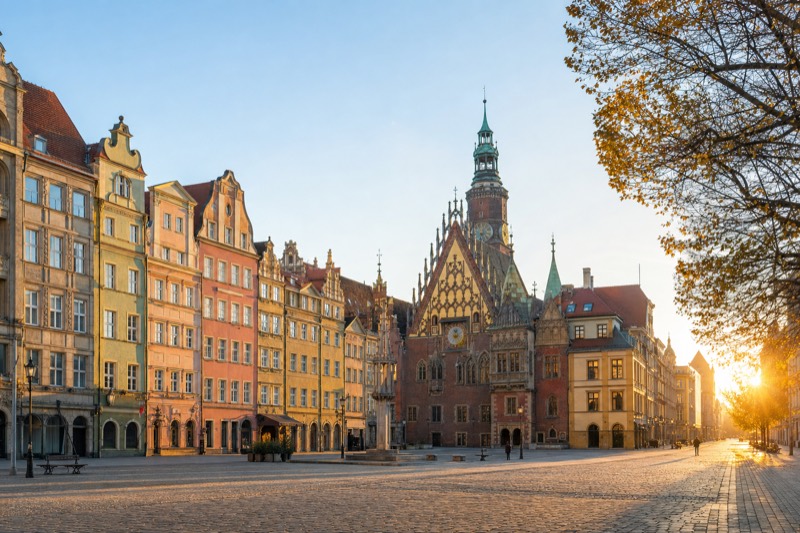 Lower Silesia
Wrocław
A colourful market square and a fast-growing tech scene near Germany and Czechia.
Safety
The safest big country in the EU.*
Walk home late, let the kids take the tram to school, sit outside until midnight. For many people moving here, this is the biggest change of all.
- #1 for safe neighbourhoods among the EU’s six largest countries.* Eurostat EU-SILC, 2023
- 2.8% of people in Poland report crime, violence or vandalism where they live. Germany: 10.7%. Spain: 13.6%. France: 14.7%. Eurostat EU-SILC, 2023
- 0.8 homicides per 100,000 people, against 5.8 in the United States. UNODC via World Bank, 2023
- 74.9 Kraków’s safety score. London scores 44.7 and New York 49.2. Numbeo Safety Index, mid-2026 (crowd-sourced)
*Lowest share of people reporting crime, violence or vandalism in their area among the six most populous EU countries (Germany, France, Italy, Spain, Poland and Romania). Eurostat EU-SILC 2023 survey.
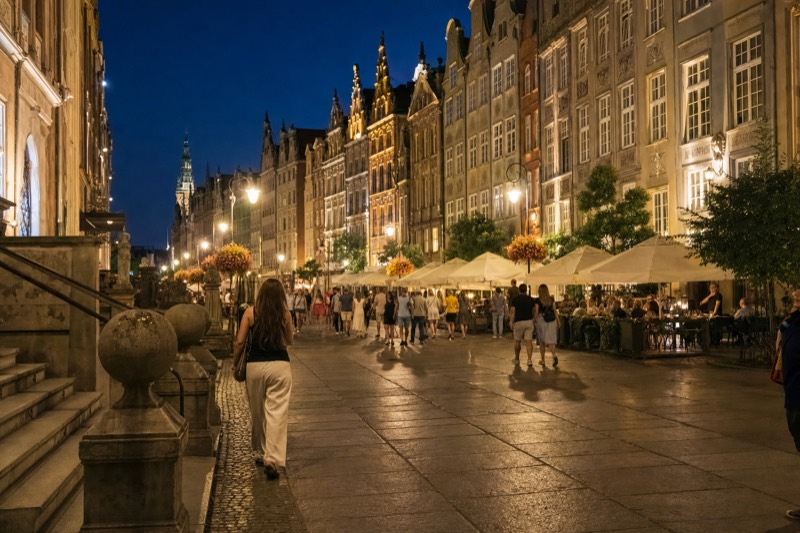
Your options
Let’s talk about your options.
There is a way to live in Poland for most people. You tell us how you work and who is coming with you, and we tell you what fits. No forms on the first call.
- Working remotely
Bring your work with you
Freelancers and founders often live here through their own Polish business, which needs real income or a solid plan. We check it fits before you start.
Where most freelancers start
- Career or company
Work or invest in Poland
A job offer, a new company or a business you want to move here: each one opens a door, and we take you through it.
For jobs, startups and investors
- Coming together
Bring your family
Partners and children can usually join you, with timing that depends on your own permit. We plan everyone’s move together, schools included.
One plan for the whole family
- EU citizen
Moving with an EU passport
No visa. After three months you register your stay, and we help with your ID number, the bank and a home.
Usually the quickest move
Not sure where you fit? That is what the first call is for. The details of every route are in the FAQ.
Book a Free Relocation Call→If a parent, grandparent or great-grandparent was Polish, you may already be a Polish citizen, with no permit needed at all. We handle citizenship by descent too.
Check citizenship by descent →How it works
From first call to first weekend by the lake.
- 01
A relaxed first call
Tell us where you are, how you work and how you want to live. We tell you what fits and what it really takes.
- 02
A plan made for you
Your option, your timeline and the city that suits you, with a fixed fee agreed up front.
- 03
We do the paperwork
Forms, your Polish ID number, the bank and the lease. You sign where needed and we handle the rest.
- 04
You arrive and settle in
Find your café, your park and your weekend lake. We stay with you until the residence card is in your hand.
What we handle
Everything you would rather not do yourself.
- 01
Your options, explained
We match your nationality, work and family to the right way to live here, before you spend anything.
- 02
Visa and residence
Your application prepared with you, filed and followed until the card is ready.
- 03
Your Polish ID number and online access
The national identification number (PESEL) and the online account Polish offices ask for, arranged in the right order.
- 04
Business setup and tax
Your own business or company, with an English-speaking accountant who knows the tax options.
- 05
Bank, health insurance and a home
A Polish bank account, health cover and a lease checked before you sign.
- 06
Schools and settling in
For families: school options, doctors and the practical first weeks in a new city.
FAQ
The formal part, answered.
-
Poland has no digital nomad visa. The main options are temporary residence to run a business (the usual route for freelancers, which needs adequate income, two full-time employees or a credible plan to reach one of those), a combined work and residence permit or the EU Blue Card if you have a Polish employer, family reunification and student residence. Permits are issued for up to three years. After five years of qualifying stay, with stable income, health insurance and Polish at B1 level, you can apply for EU long-term residence. EU, EEA and Swiss citizens only register their stay.
-
PESEL is Poland’s national identification number, similar to a US Social Security or UK National Insurance number. You usually receive it when you register your address for a stay of more than 30 days. Many banks, public healthcare, the tax office and the online government login ask for it. We arrange it early.
-
Choose the route, get your national ID number (PESEL) and a Trusted Profile (your online government login) or a qualified electronic signature, prepare the documents, file the residence application online in MOS (Poland’s system for foreigners, mandatory since 27 April 2026), give fingerprints when invited, then collect your residence card. The forms are in Polish: we prepare them with you and you sign them yourself.
-
Usually a valid passport, photos, proof of income or funds (or business documents), health insurance and proof of accommodation, plus an employment contract or company papers for some routes. Foreign documents may need a sworn Polish translation. We give you an exact list for your route.
-
US, UK, Canadian and Australian citizens can stay in the Schengen area for 90 days in any 180. The residence application has to be filed while your stay is still legal. If it is complete, you may then stay in Poland while it is decided, but travel to other Schengen countries and re-entry follow separate rules. Some people come on a national D visa from a Polish consulate instead. We plan the timing with you.
-
The law sets 60 days, but real times are longer. In 2024 the Warsaw office averaged 193 days for temporary residence. Plan for 6–12 months or more. If you filed in time, you may stay in Poland while you wait.
-
Temporary residence costs PLN 340 for business, family or studies and PLN 440 for work or the EU Blue Card. Permanent or EU long-term residence costs PLN 640 and the residence card PLN 100. EU citizen registration is free. Our service fee is fixed and agreed on the first call, before you commit.
-
You become a Polish tax resident if your centre of life is in Poland or you spend more than 183 days here in a tax year, and then Poland taxes your worldwide income, subject to tax treaties. Business owners choose between the tax scale (12% and 32%), a 19% flat rate on income or a lump sum on revenue, which is 12% for many IT services. Social security (ZUS) and health contributions are paid on top. Small companies can pay 9% corporate tax, and dividends are taxed at 19%. We introduce you to English-speaking accountants.
-
Yes. Under the 1990 US–Poland treaty, US citizens can register a sole trader business on the same terms as Poles. Most other non-EU nationals need a qualifying residence status first, or use a limited company.
-
Not for temporary residence, and English is widely spoken in the big cities. EU long-term residence, after five years of legal stay, requires Polish at B1 level.
-
Usually, but the timing depends on the main applicant’s permit. Family reunification normally needs two years of residence on successive permits first, while EU Blue Card holders’ families can come sooner. We plan both applications together.
-
Possibly. If Polish citizenship passed down through your family, you may be able to have it confirmed, with no residence permit, investment or language exam. As a Polish citizen you can live in Poland and anywhere else in the EU. We handle these cases too: see poland.optionalityreport.com.
-
No permit. To stay longer than three months you register your stay with the voivode office, showing that you work, study or have enough money and health insurance. The certificate is free. We can still help with your national ID number (PESEL), banking, tax and housing.
Start here
Your move to Poland, planned properly.
- You do not need to know which visa you need.
- You do not need to speak Polish.
- You only need to know you want a change.
Tell us where you are now, how you work and when you want to arrive. We will show you your options, the real timeline and the full cost.
No obligation. 30 minutes with someone who knows the Polish system.